Iorana Kōrua Ta'ato'a
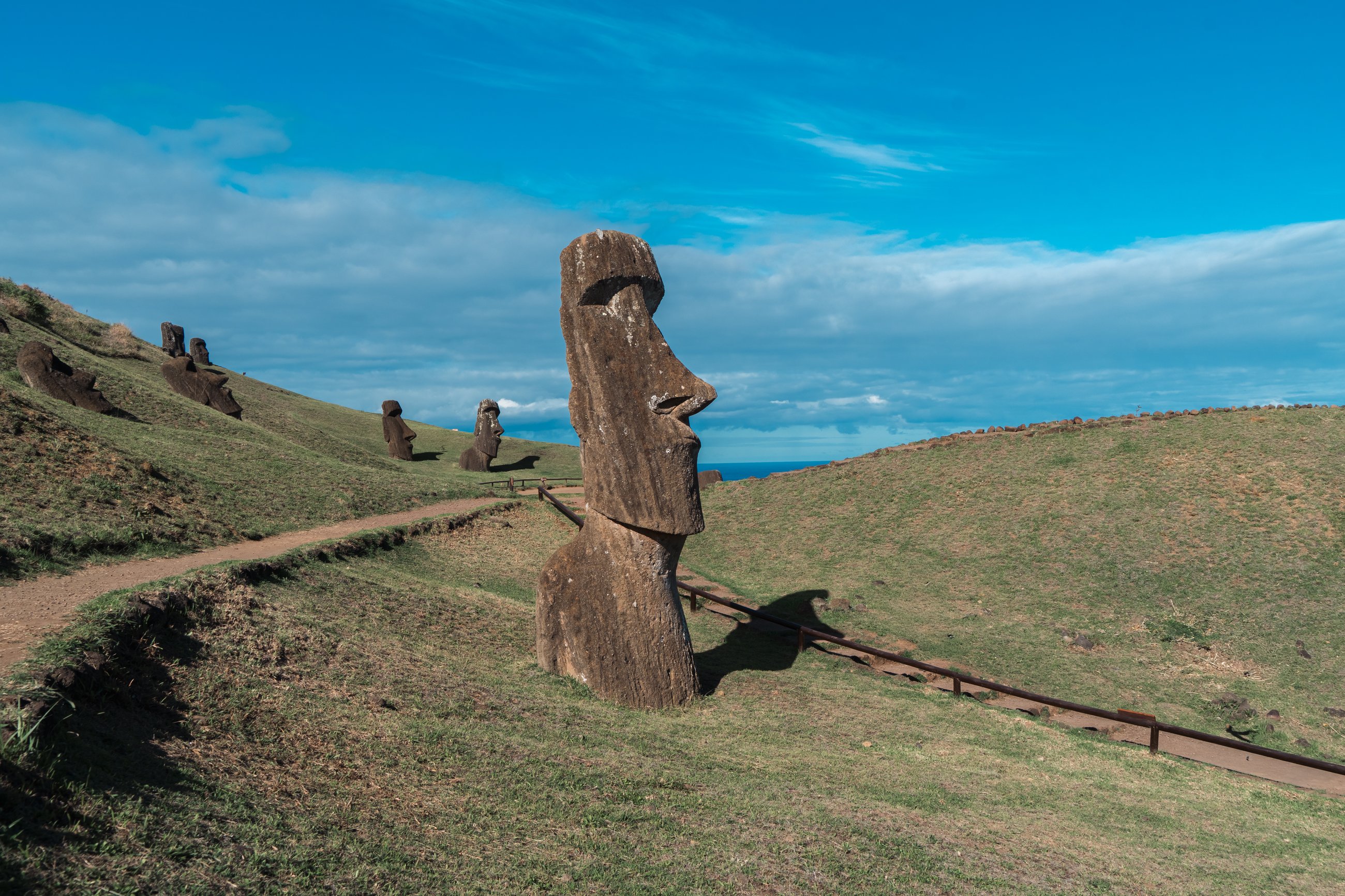
Welcome to Rapa Nui National Park. We invite you to discover this World Heritage Site and National Historical Monument.
Iorana Kōrua Ta'ato'a
Welcome to Rapa Nui National Park. We invite you to discover this World Heritage Site and National Historical Monument.
Park entry requirements
It is MANDATORY to purchase a ticket and hire a guide, accredited by Ma’u Henua, to be able to enter Rapa Nui National Park.
Park entry requirements
It is MANDATORY to purchase a ticket and hire a guide, accredited by Ma’u Henua, to be able to enter Rapa Nui National Park.
Get your ticket
Each person must have an entry to be able to enter Rapa Nui National Park.
Check the rules
Learn about the park rules to respect and take care of everyone's heritage.
Hire your guide
Hiring a guide is mandatory to protect our heritage and ensure a respectful and safe experience.
Get your ticket
Each person must have an entry to be able to enter Rapa Nui National Park.
Check the rules
Learn about the park rules to respect and take care of everyone's heritage.
Hire your guide
Hiring a guide is mandatory to protect our heritage and ensure a respectful and safe experience.
Park Rules
Let's care for Kāiŋa ʻOno Tupuna. Your responsible visit is part of that care.
You are in Kāiŋa ʻOno Tupuna, sacred land of the Rapa Nui people, a World Heritage Site (UNESCO, 1995) and a National Monument protected by Law No. 17.288. The Ma'u Henua indigenous community manages this park so it endures for generations.
Before entering
- Buy your ticket before entering the park.
- An accredited guide is required for your visit.
- Rano Raraku and ʻŌroŋo can be visited only once per ticket.
- Check entry hours by season.
To protect the heritage
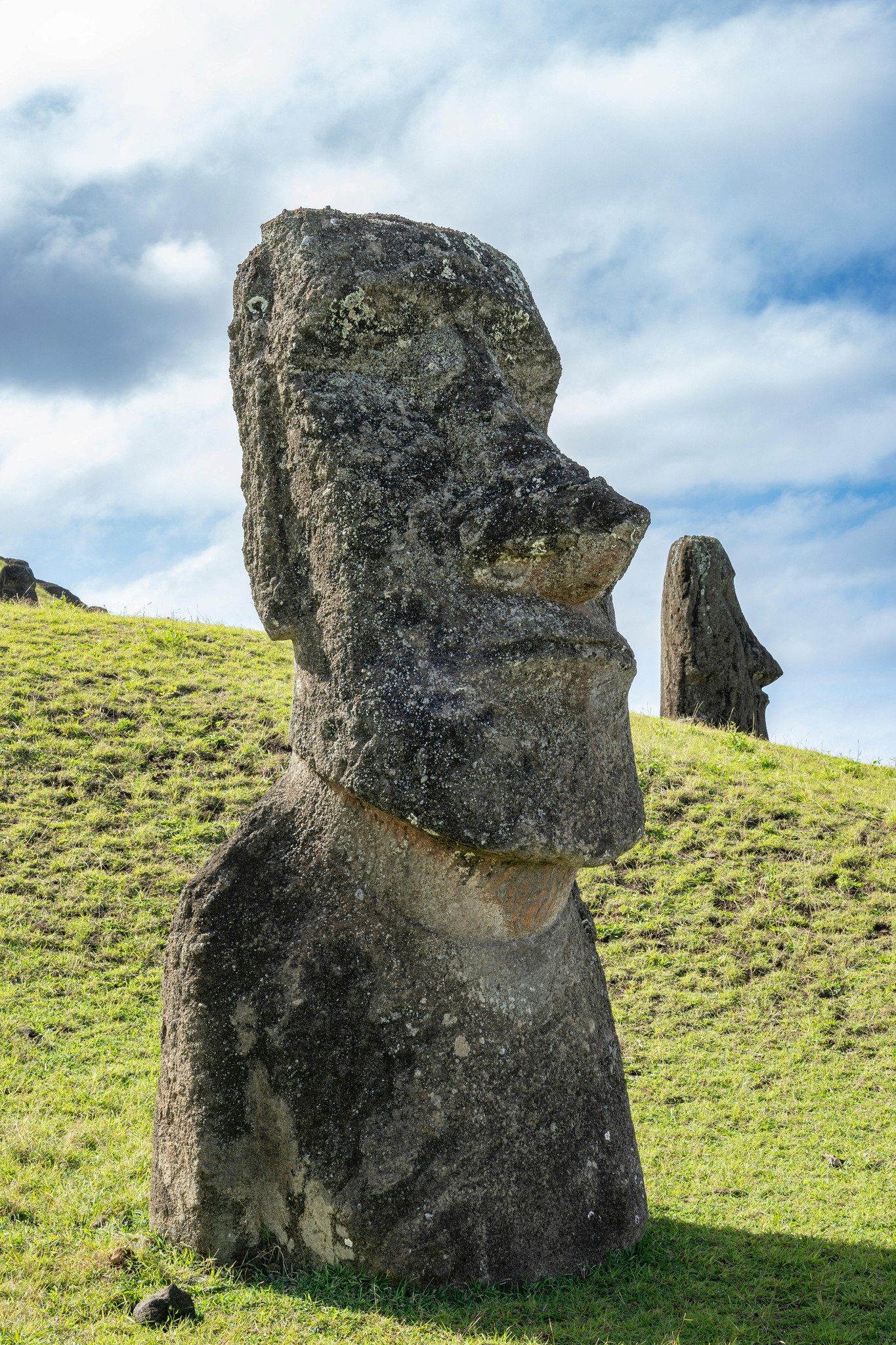
- Observe the mōai and ahu from the permitted distance, without touching or leaning on them.
- Do not move or remove stones or archaeological objects.
- Walk only on marked trails and viewing areas.
- No graffiti or scratching on the rocks.
For your safety
- Wear comfortable shoes and clothing.
- No fires or camping inside the park.
- No pets allowed.
- No drones without authorization.
Respectful coexistence
- No alcohol or smoking inside the park.
- No commercial filming or photography without a permit.
- Bicycles only on permitted roads.
- Respect the marked perimeters at each site.
Māuru-uru, thank you for caring for Rapa Nui with us.
About Ma'u Henua
The Ma'u Henua Indigenous Community has managed Rapa Nui National Park since November 23, 2017, following the official transfer of its administration to the Rapa Nui people. The park, created in 1935 and declared a World Heritage Site in 1995, is managed under a 50-year concession agreement, backed by an indigenous consultation in which more than 86% of the Rapa Nui people voted in favor.
Through an indigenous governance model, Ma'u Henua preserves the archaeological sites, regulates visitor access and promotes sustainable tourism from the Rapa Nui worldview, which integrates respect for the land, the sea and the ancestors. Today it brings together 2,500 members and 280 workers, one of the largest indigenous communities in Chile.
Park Rules
Let's care for Kāiŋa ʻOno Tupuna. Your responsible visit is part of that care.
You are in Kāiŋa ʻOno Tupuna, sacred land of the Rapa Nui people, a World Heritage Site (UNESCO, 1995) and a National Monument protected by Law No. 17.288. The Ma'u Henua indigenous community manages this park so it endures for generations.
Before entering
- Buy your ticket before entering the park.
- An accredited guide is required for your visit.
- Rano Raraku and ʻŌroŋo can be visited only once per ticket.
- Check entry hours by season.
To protect the heritage
- Observe the mōai and ahu from the permitted distance, without touching or leaning on them.
- Do not move or remove stones or archaeological objects.
- Walk only on marked trails and viewing areas.
- No graffiti or scratching on the rocks.
For your safety
- Wear comfortable shoes and clothing.
- No fires or camping inside the park.
- No pets allowed.
- No drones without authorization.
Respectful coexistence
- No alcohol or smoking inside the park.
- No commercial filming or photography without a permit.
- Bicycles only on permitted roads.
- Respect the marked perimeters at each site.
Māuru-uru, thank you for caring for Rapa Nui with us.
About Ma'u Henua
The Ma'u Henua Indigenous Community has managed Rapa Nui National Park since November 23, 2017, following the official transfer of its administration to the Rapa Nui people. The park, created in 1935 and declared a World Heritage Site in 1995, is managed under a 50-year concession agreement, backed by an indigenous consultation in which more than 86% of the Rapa Nui people voted in favor.
Through an indigenous governance model, Ma'u Henua preserves the archaeological sites, regulates visitor access and promotes sustainable tourism from the Rapa Nui worldview, which integrates respect for the land, the sea and the ancestors. Today it brings together 2,500 members and 280 workers, one of the largest indigenous communities in Chile.
Explore the island
Explore the highlighted archaeological sites of Rapa Nui National Park. From the magical quarry of Rano Raraku to the majesty of Ahu Toŋariki and the spirituality of Ōroŋo, each corner tells an intriguing story.
The Red Tit
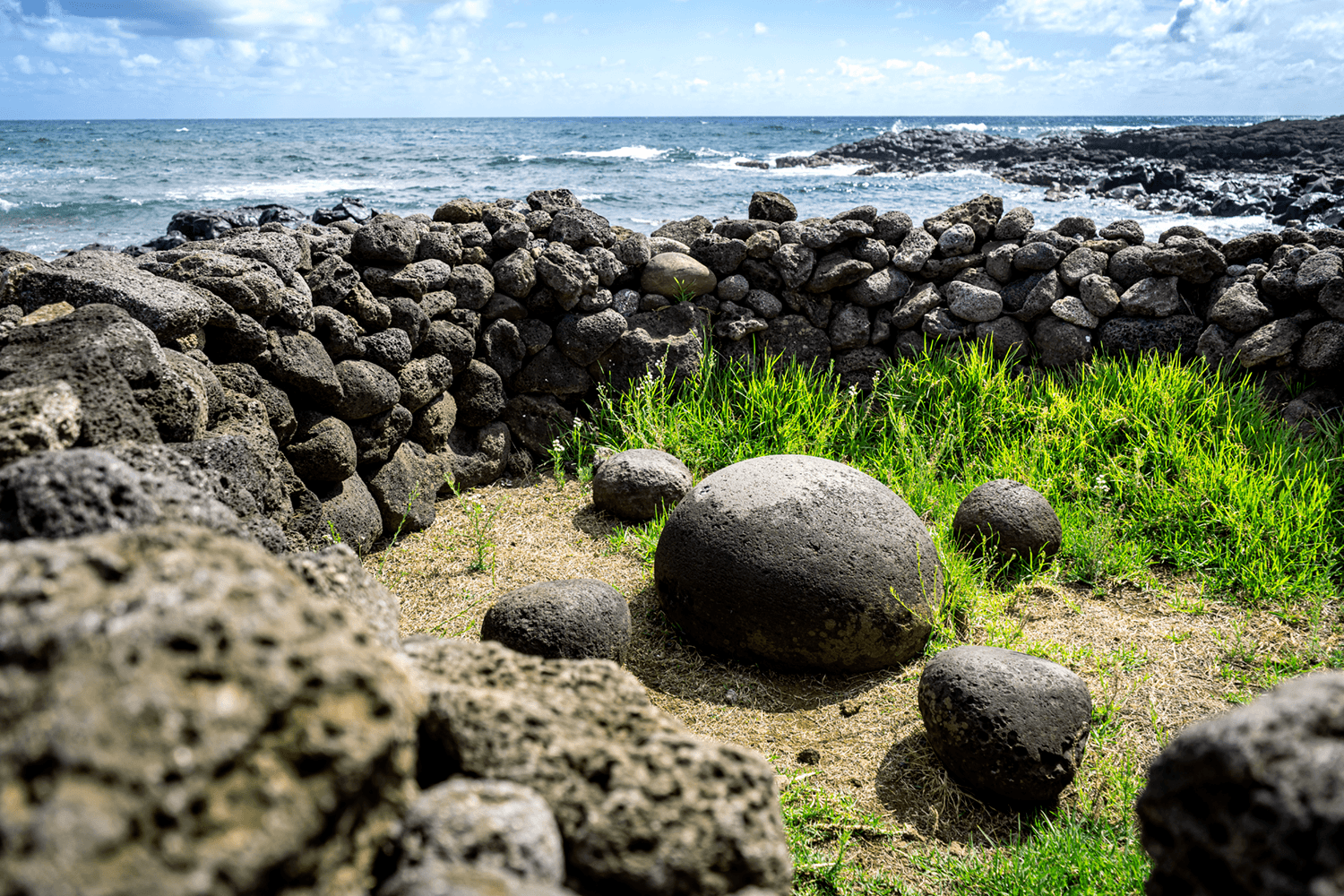
It houses the moai Paro, the largest transported from Rano Raraku, with a huge pukao and great historical value.
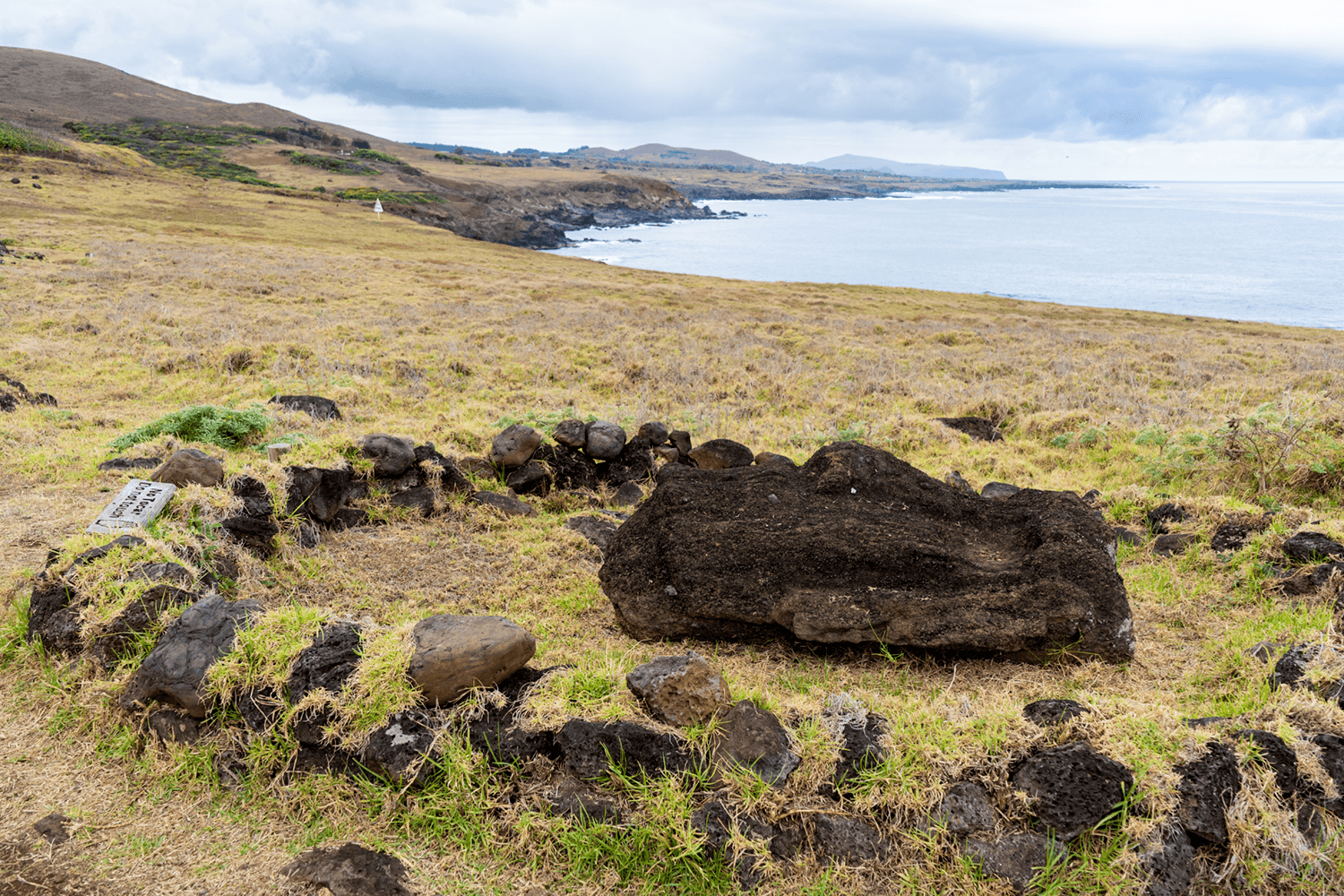
Vinapū
Ceremonial complex with basalt walls in Inca style and two monumental ahu, a unique example of architecture in Rapa Nui.
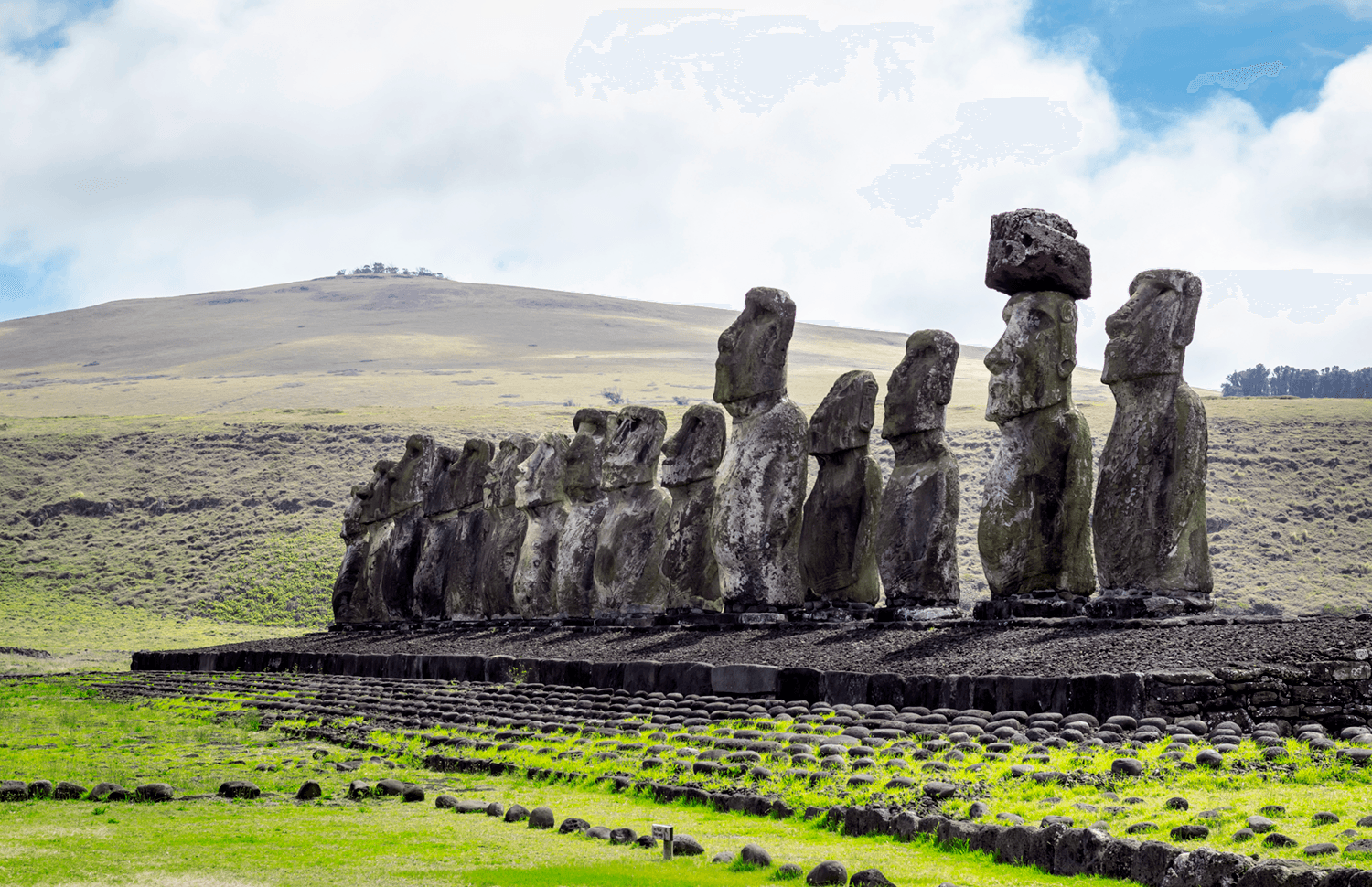
Āhu Toŋariki
Largest platform on the island, with 15 restored moai and spectacular views to contemplate the sunrise.
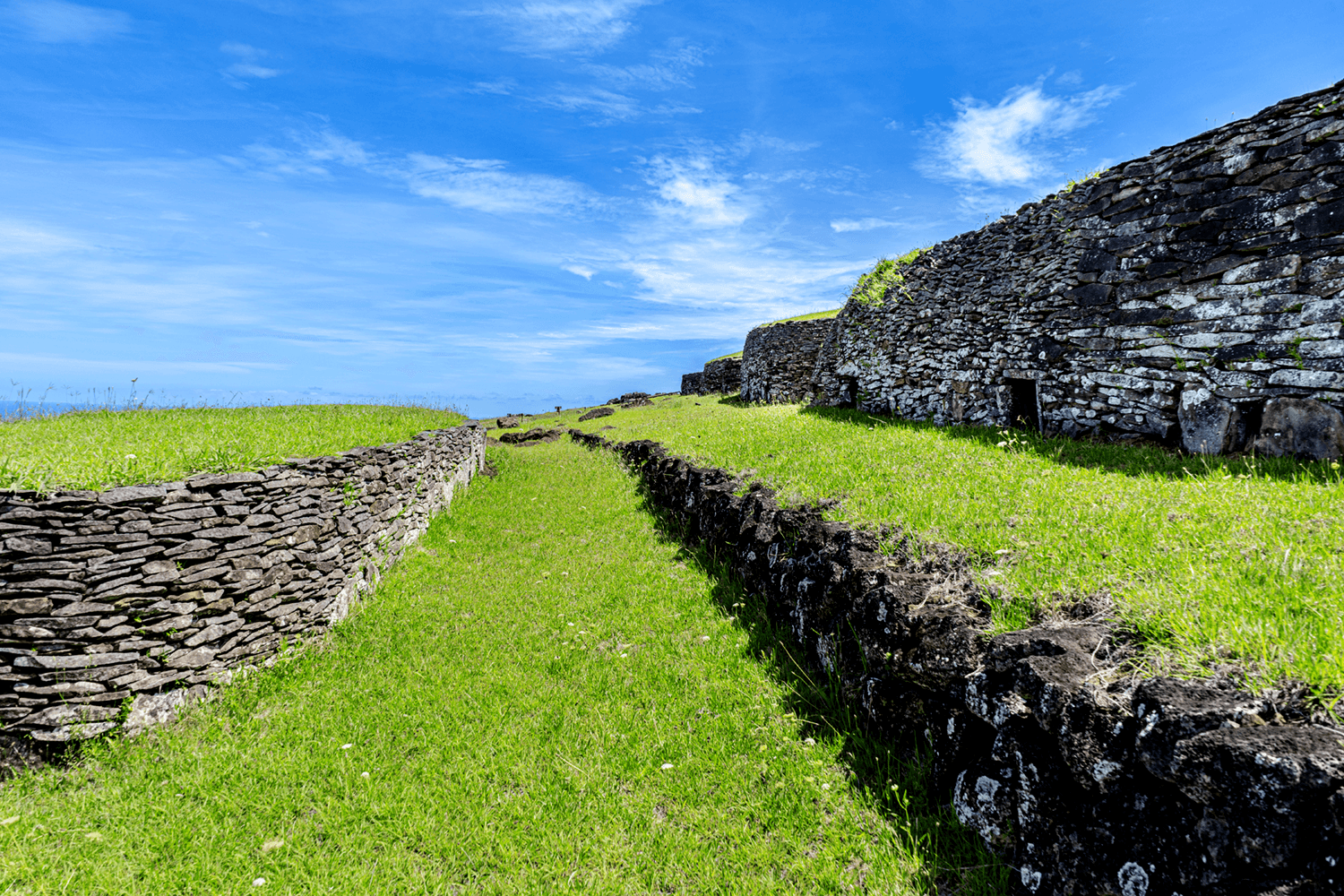
Ōroŋo Village
Ancient ceremonial village of the Tangata Manu cult, located in Rano Kau, overlooking the islets Motu Nui, Iti, and Kao Kao.
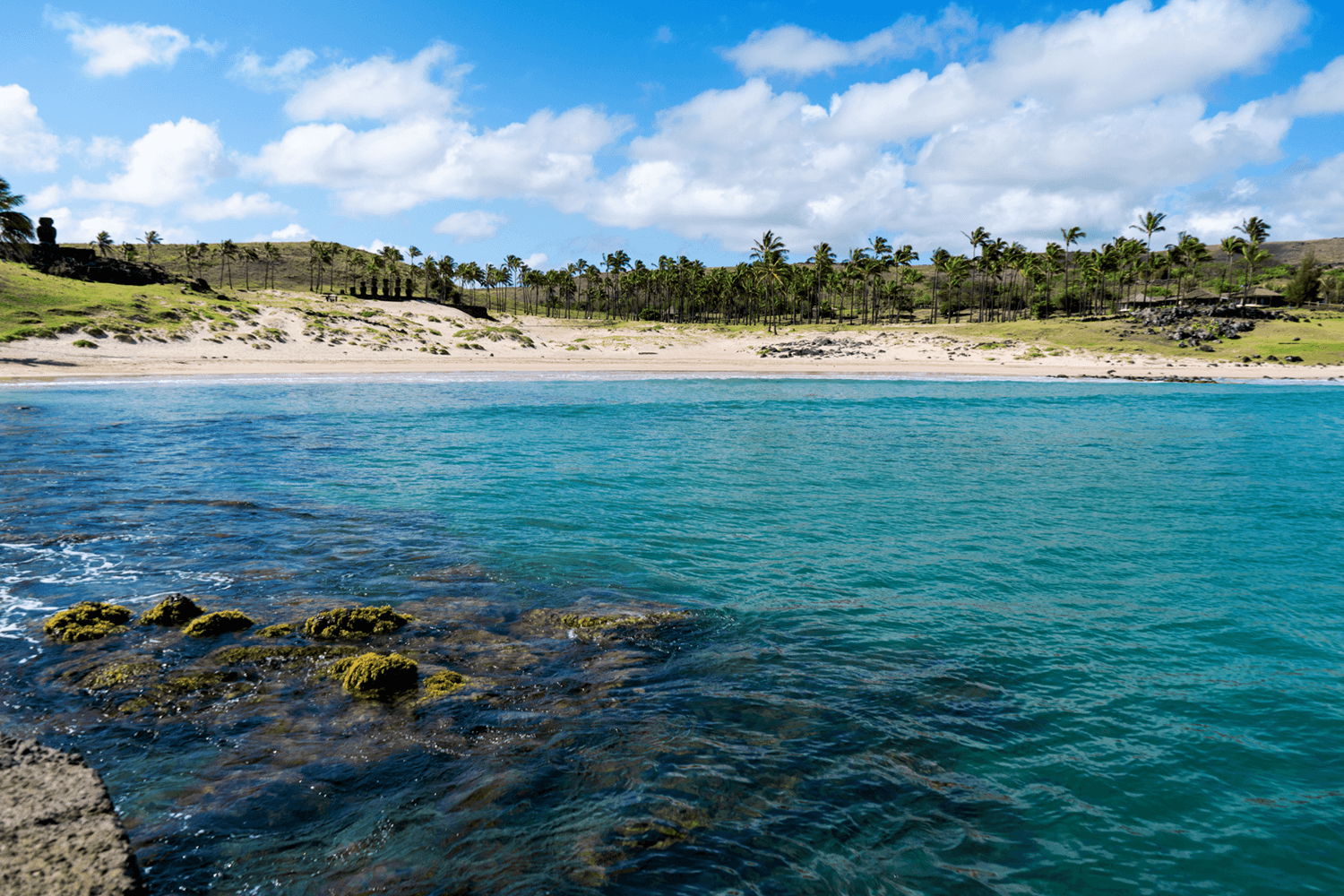
Haŋa Rau / Anakena
White sand beach and warm waters all year round, with restored moai and the landing place of King Hotu Matu'a.
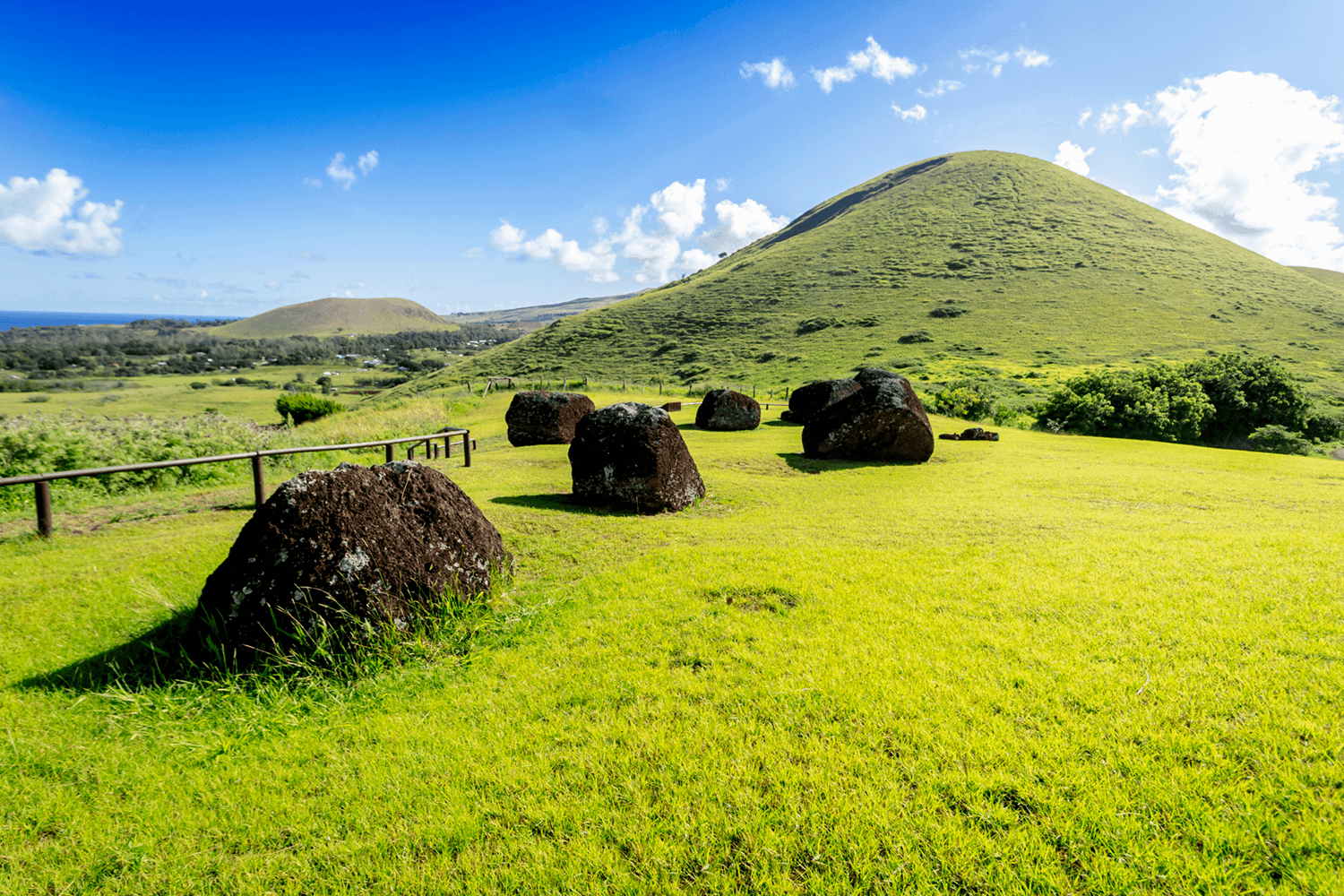
Puna Pau
Red slag quarry where most of the pukao were carved, with panoramic views and unfinished pieces.
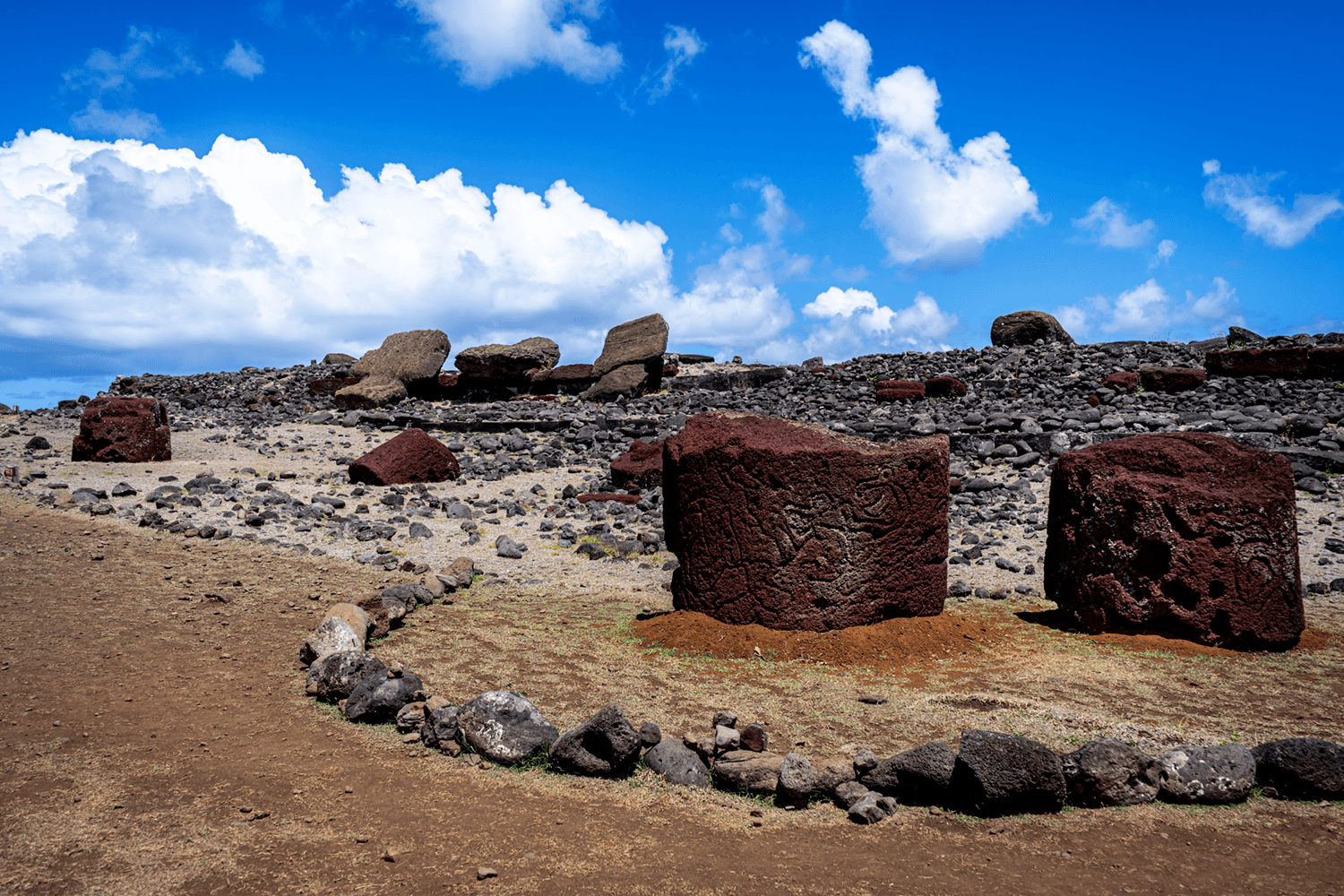
Akahaŋa
Remains of a village and toppled moai by the sea, showing ancient life and the civil wars of the 18th century.

Rano Raraku
Main quarry with 400 moai in different stages, known as the "factory" of moai, with a lake in its crater.
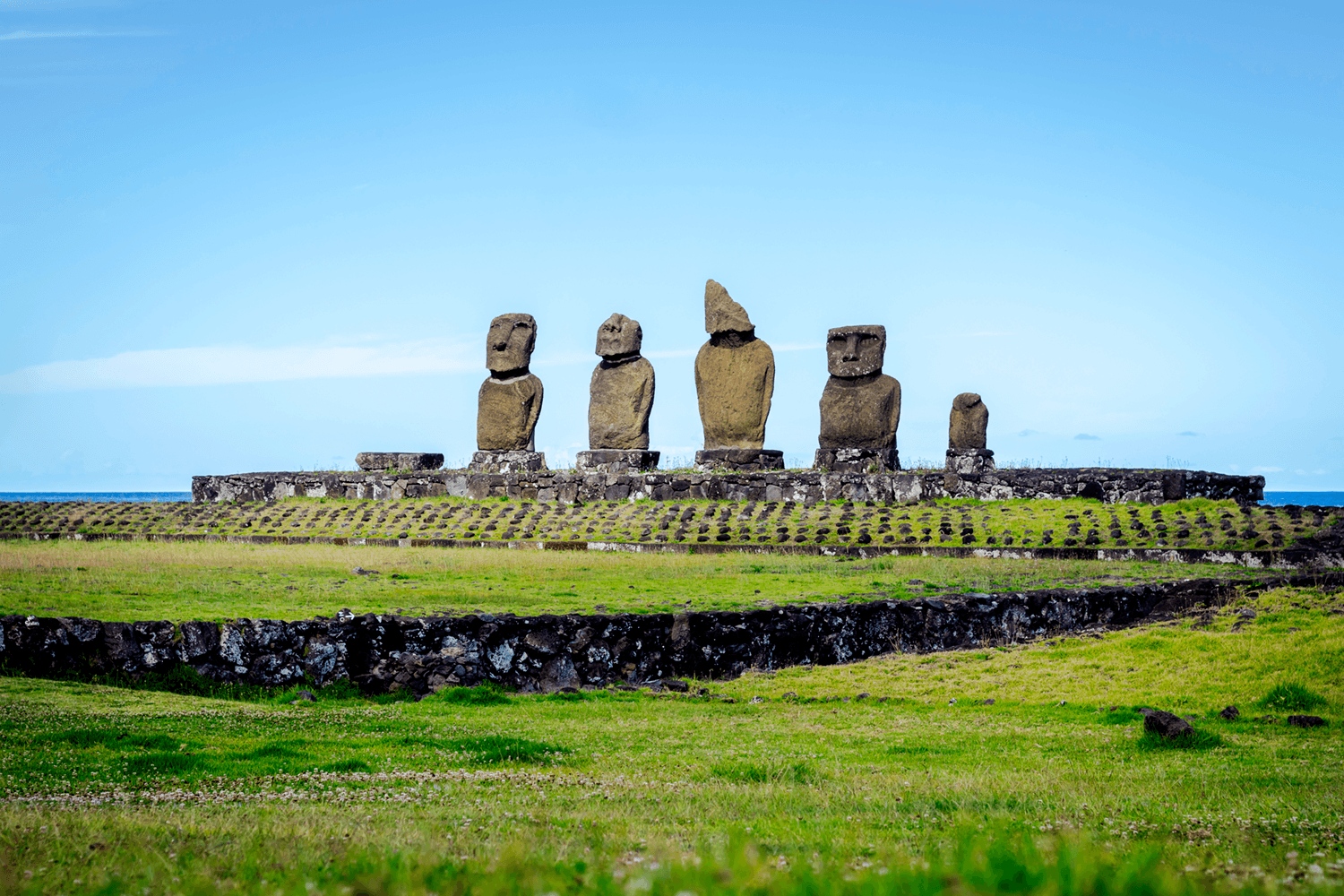
Tāhai Ceremonial Center
Three restored Ahu and remnants of an ancient village. One of the best places to watch the sunset on the island.

Vaihū
Ancient village with one of the longest platforms and eight toppled moai, a testament to historical conflicts.
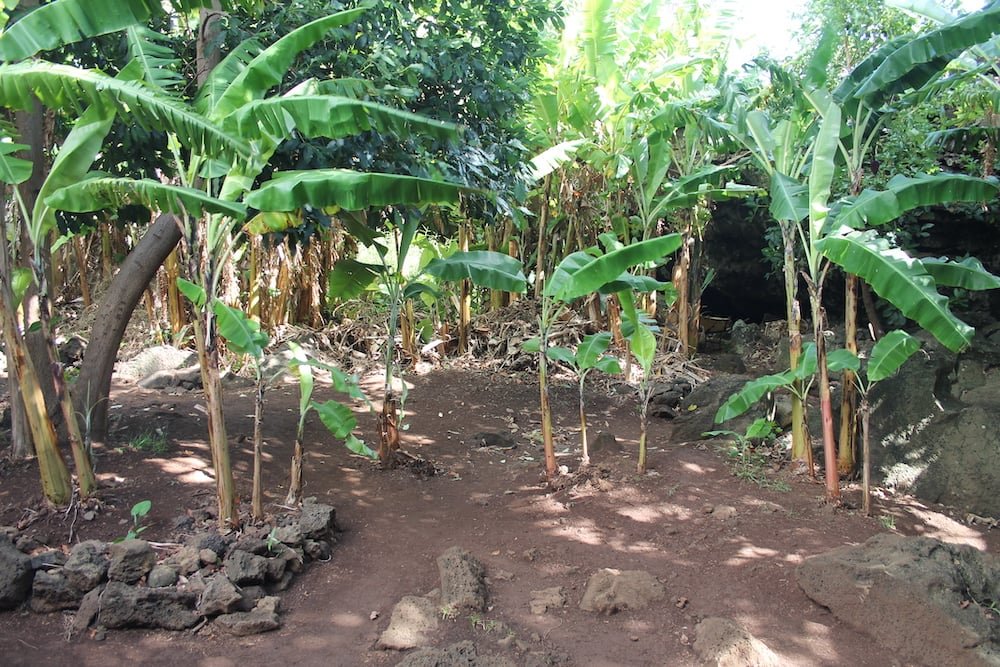
Ana Te Pahu
Great volcanic cave used as a refuge and storage, surrounded by traditional gardens with native plants.
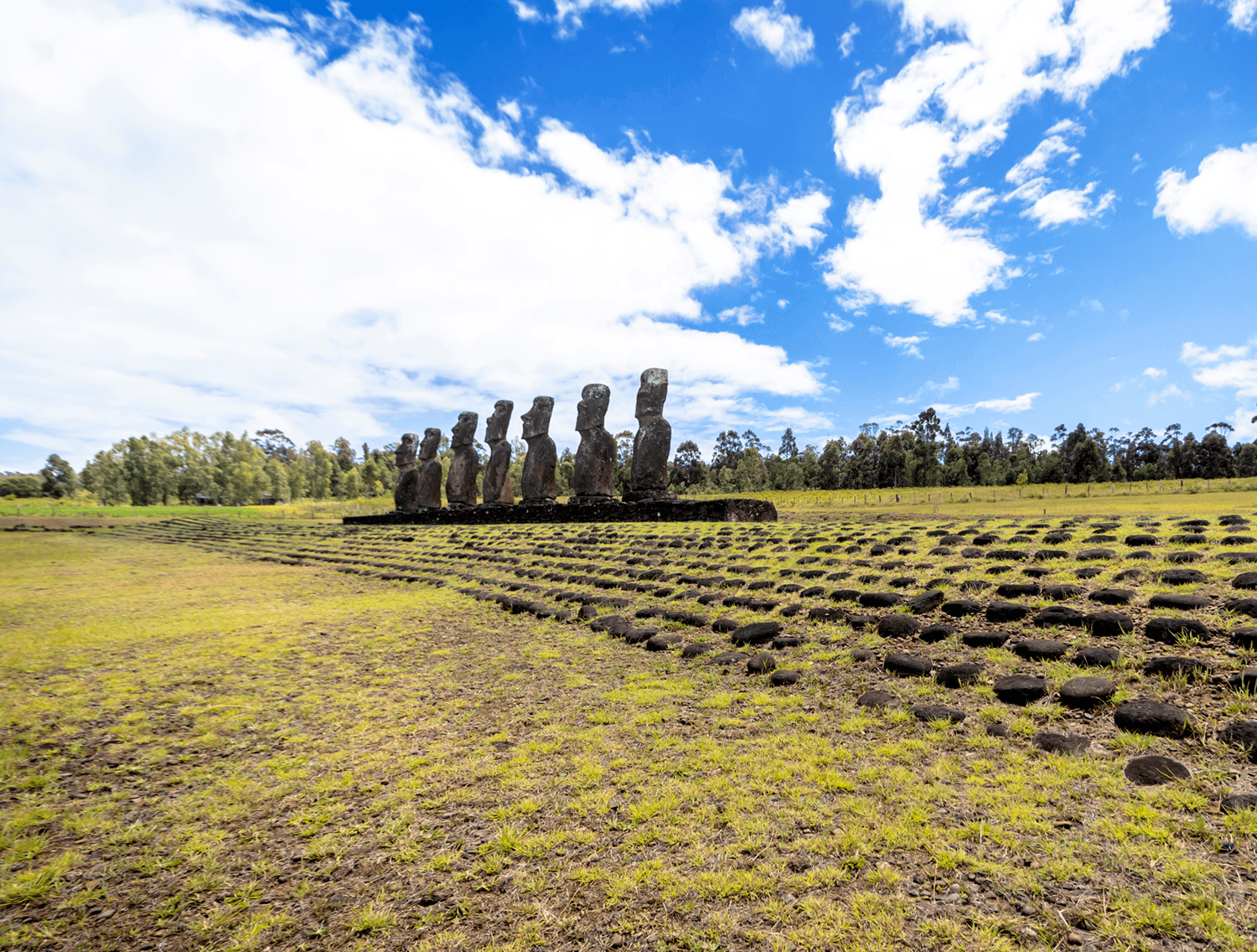
The Seven Explorers
Seven moai aligned to the sun during equinoxes, unique in looking at the sea, connected to legendary explorers.
Explore the island
Explore the highlighted archaeological sites of Rapa Nui National Park. From the magical quarry of Rano Raraku to the majesty of Ahu Toŋariki and the spirituality of Ōroŋo, each corner tells an intriguing story.
The Red Tit
It houses the moai Paro, the largest transported from Rano Raraku, with a huge pukao and great historical value.
Vinapū
Ceremonial complex with basalt walls in Inca style and two monumental ahu, a unique example of architecture in Rapa Nui.
Āhu Toŋariki
Largest platform on the island, with 15 restored moai and spectacular views to contemplate the sunrise.
Ōroŋo Village
Ancient ceremonial village of the Tangata Manu cult, located in Rano Kau, overlooking the islets Motu Nui, Iti, and Kao Kao.
Haŋa Rau / Anakena
White sand beach and warm waters all year round, with restored moai and the landing place of King Hotu Matu'a.
Puna Pau
Red slag quarry where most of the pukao were carved, with panoramic views and unfinished pieces.
Akahaŋa
Remains of a village and toppled moai by the sea, showing ancient life and the civil wars of the 18th century.
Rano Raraku
Main quarry with 400 moai in different stages, known as the "factory" of moai, with a lake in its crater.
Tāhai Ceremonial Center
Three restored Ahu and remnants of an ancient village. One of the best places to watch the sunset on the island.
Vaihū
Ancient village with one of the longest platforms and eight toppled moai, a testament to historical conflicts.
Ana Te Pahu
Great volcanic cave used as a refuge and storage, surrounded by traditional gardens with native plants.
The Seven Explorers
Seven moai aligned to the sun during equinoxes, unique in looking at the sea, connected to legendary explorers.

Te Tomo Haŋa o Te ‘Ariki
Conmemoración de la llegada del Ariki Hotu Matu’a
Cada 07 de julio, el pueblo Rapa Nui conmemora la llegada del Ariki Hotu Matu’a a la playa de Haŋa Rau, marcando el inicio de nuestra historia y el nacimiento de nuestra cultura.
La ceremonia comienza con un Umu Hatu, acto de bendición ancestral, acompañado de cantos tradicionales, música y danzas que reúnen a niños, jóvenes y adultos en una puesta en escena que honra el sueño de Haumaka y el viaje que dio origen a nuestro pueblo.
Según la tradición oral, tras la visión profética de Haumaka sobre el hundimiento de Hiva, Hotu Matu’a emprendió la travesía guiado por las estrellas hasta llegar a Te Pito o te Kāiŋa, donde floreció la cultura Rapa Nui.
En Haŋa Rau nació Tu’u Maheke, primer rapanui, dando inicio a nuestra historia, identidad y legado ancestral.
Hoy, esta conmemoración reafirma la memoria colectiva, el respeto por nuestros ancestros y el valor de los sitios sagrados que nos dieron origen.
Te Tomo Haŋa o Te ‘Ariki
Conmemoración de la llegada del Ariki Hotu Matu’a
Cada 07 de julio, el pueblo Rapa Nui conmemora la llegada del Ariki Hotu Matu’a a la playa de Haŋa Rau, marcando el inicio de nuestra historia y el nacimiento de nuestra cultura.
La ceremonia comienza con un Umu Hatu, acto de bendición ancestral, acompañado de cantos tradicionales, música y danzas que reúnen a niños, jóvenes y adultos en una puesta en escena que honra el sueño de Haumaka y el viaje que dio origen a nuestro pueblo.
Según la tradición oral, tras la visión profética de Haumaka sobre el hundimiento de Hiva, Hotu Matu’a emprendió la travesía guiado por las estrellas hasta llegar a Te Pito o te Kāiŋa, donde floreció la cultura Rapa Nui.
En Haŋa Rau nació Tu’u Maheke, primer rapanui, dando inicio a nuestra historia, identidad y legado ancestral.
Hoy, esta conmemoración reafirma la memoria colectiva, el respeto por nuestros ancestros y el valor de los sitios sagrados que nos dieron origen.
Easter Island
A unique experience
Embark on a unique adventure exploring the highlighted archaeological sites of Rapa Nui National Park. From the magical quarry of Rano Raraku to the majesty of Ahu Toŋariki and the spirituality of Ōroŋo, every corner tells an intriguing story. Awaken your curiosity by exploring the treasures that this park has to offer. Your journey of discovery begins here.
900+
Moai on the island
3M+
Years of history
UNESCO
World Heritage
Ma'u Henua
Community management
Easter Island
A unique experience
Embark on a unique adventure exploring the highlighted archaeological sites of Rapa Nui National Park. From the magical quarry of Rano Raraku to the majesty of Ahu Toŋariki and the spirituality of Ōroŋo, every corner tells an intriguing story. Awaken your curiosity by exploring the treasures that this park has to offer. Your journey of discovery begins here.
900+
Moai on the island
3M+
Years of history
UNESCO
World Heritage
Ma'u Henua
Community management
© 2025 Rapa Nui National Park
© 2025 Rapa Nui National Park